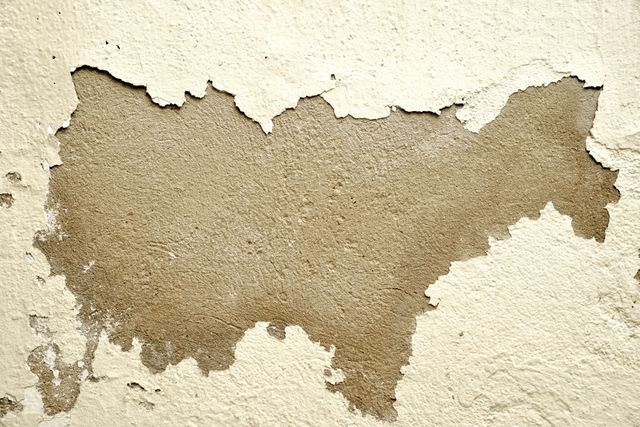

Rising damp isn’t unique to Perth, but it does seem to be a more common problem here than in a lot of other Aussie cities. The basic cause is the same everywhere, moisture from the ground rises up through the mortar in walls using capillary action. What makes Perth stand out is a combination of stuff that are just perfect for creating a damp environment. Sandy soil that’s easily soaked, a water table that’s close to the surface and changes with the seasons, and an awful lot of older homes that don’t even have damp proofing or have courses that have just given up the ghost. That combination of factors means that rising damp Perth is a problem even when it’s dry as a bone. The water table in a lot of western suburbs sits pretty close to the surface even in the middle of summer, so the moisture keeps pushing up through the walls. When the water table rises in winter and spring, it just makes everything worse.
The Signs That Are Easy to Walk Past
The early warning signs of rising damp in a Perth home are often so subtle that most people just walk right past them. A tide mark on the bottom of an interior wall, usually between 300mm and 1.2 metres up from the floor, that’s the sign you need to look out for. It’s the point where moisture is currently pushing up and it changes height with the seasons.
Getting the Diagnosis Right Before Spending Anything
Rising damp is one of three types of moisture problems that can cause all sorts of overlapping symptoms. There’s penetrating damp where water gets in through cracks in the roof or faulty flashing, and it’s usually an upper wall or around windows kind of thing. Then there’s condensation, where moisture just forms on cool surfaces, and usually it shows up in patterns related to ventilation. Then there are the plumping leaks that just create a bit of a mess but are easy to spot. Treating rising damp with stuff meant for condensation, or treating penetrating damp like it was rising damp, that’s just throwing money at a problem that’s going to come back again. To get it right, you need a proper moisture survey done by someone who actually knows what they’re doing. In Perth, that’s not optional because the repair costs are just sky high.
Perth’s Building Stock and Why It Matters
Limestone block homes in Perth’s older inner suburbs, like Fremantle, Subiaco, Nedlands & Cottesloe, are a special case when it comes to rising damp. That’s because limestone is basically a sponge, it’s ridiculously porous and doesn’t come with a built-in moisture barrier. As a result, homes made from solid brick during mid-century construction in Perth often have big problems. This is particularly at the foundation level where the damp proof course either wasn’t installed or has broken down. Getting to grips with what kind of building you’re dealing with can make all the difference when it comes to figuring out what to do about the problem & how to do it. You can’t just treat a limestone block the same way you do solid brick. You can’t just assume you can treat them the same as cavity construction. Making a mistake here doesn’t just mean you’ll waste money. It can even make things worse.
What Remediation Actually Involves?
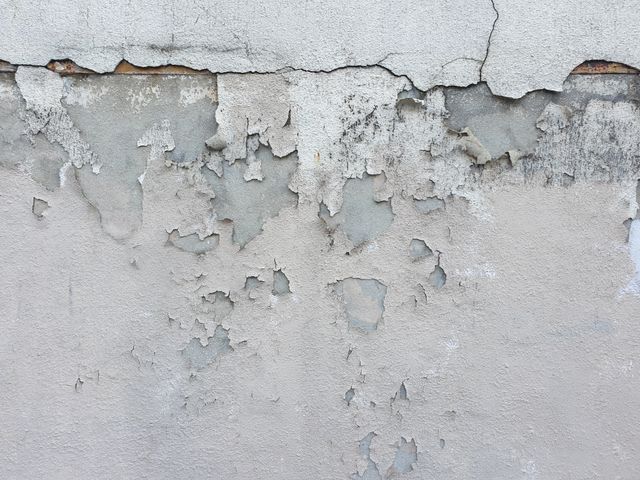
Chemical injection to install a damp proof course is what usually gets the job done for rising damp in Perth. In short, it involves drilling into the mortar bed at regular intervals along the wall. The process involves pumping in some water-repellent stuff under pressure, and then letting it sit for a bit to cure into a barrier that blocks the moisture. If you do it right, that’s it, you’ve got your problem sorted. What comes next is just tidying up a bit. Removing any old plaster that’s been damaged, treating the wall for any residual salt, and then slapping on a special render system that can handle it when you put the plaster back on. While you’re at it, you might also want to take a look at the garden. Generally it’s a good idea to move any garden beds that are touching the wall, sort out the stormwater drain, and maybe even sort out the ventilation in the subfloor if you need to. All these things will make a big difference long term.