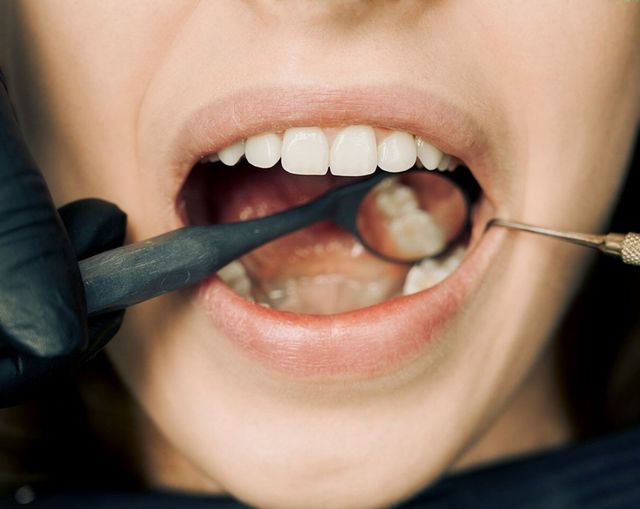

Bleeding gums a minor issue caused by brushing too hard or some temporary irritation, or so some people like to think. But quite the opposite. The medical evidence suggests that gum bleeding is actually one of the first & best warning signs that there’s a serious underlying gum disease problem.
Gum Disease Is a Big Problem in Australia
Gum disease is a major public health concern in Australia, and it’s not going away anytime soon. Millions of Aussie adults suffer from it, which can lead to tooth loss, a reduced quality of life and, of course, all sorts of extra costs to get the necessary treatment. Even with all the advances that have been made in preventative dentistry, research from the National Study of Adult Oral Health has shown that a big chunk of the population is still being affected by gum conditions.
Bleeding Gums Are Often the First Sign of Gum Disease
Clinical studies are pretty clear on this one. Bleeding gums are a key symptom of gingivitis, the early stages of gum disease. It usually happens when all the plaque builds up along the gumline and that gets you inflammation going. The good news is that at this stage, with a bit of TLC from your dentist and a bit of better oral hygiene, it’s generally reversible. The bad news is that lots of people just don’t get treatment because the bleeding doesn’t hurt all the time and it only happens some of the time.
Australian data suggests that about 29% of adults are walking around with some degree of gingivitis, which is quite a lot if you ask me. It’s not just adults. Kiddos and teenagers can get gum inflammation too if they’re not brushing & flossing properly. That’s why places like the kids dental clinic Mt Druitt are so keen on spotting gum problems early before they turn into anything more serious.
The Risk of Progressing to Advanced Periodontitis
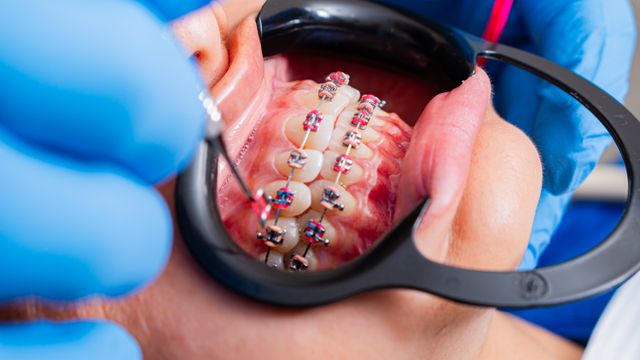
The main reason you shouldn’t ignore a bleeding gums situation is that it’s a clear sign that gum disease might be getting worse. Once your gums start to get damaged from periodontitis, then you’re looking at a whole lot of trouble. You get bone loss, then the treatment is a lot harder to do, takes a lot more time, and ends up costing a pretty penny too.
Australian oral health data shows that about 30% of adults are at risk of serious periodontitis. And from looking at previous surveys, it’s clear that this is a problem that’s getting worse. In fact, looking at the age groups, it’s really worrying to see that from the age of 65 onwards, it starts to rocket.
Gum Disease and Your Overall Health
That’s not all. Research has shown that gum disease can actually have some pretty major effects on your overall health. The biological link is that when your gums get damaged, it lets all sorts of nasty stuff get into your bloodstream. What’s worse is that gum disease has been linked to all sorts of other health complications like heart disease, diabetes and even pregnancy complications. So oral health has become a really important part of keeping your whole body healthy.
Financial and Social Costs of Putting Off Treatment
Ignoring bleeding gums can lead to some pretty serious financial blowback. In the early stages, gingivitis is generally pretty easy to manage. A bit of professional cleaning here, some better at-home hygiene there, and you’re all good. But let periodontitis go on for too long and you’ll be looking at deep cleanings, surgery, regenerative treatments or having to replace teeth altogether.
Public Awareness Not as High as It Should Be
We’ve got a lot of evidence saying that gum health is super important, but despite all that, most people just don’t get it. A recent survey by the Australian Dental Association found that nearly half of all Aussie adults just don’t think gum health is all that important. That’s a big problem because if people don’t care about it, they’re not going to take care of it. Which is why so many people out there think bleeding gums are just a normal part of life. A normal part of life? Healthy gums don’t bleed, period. It’s a sign that there’s something going wrong.