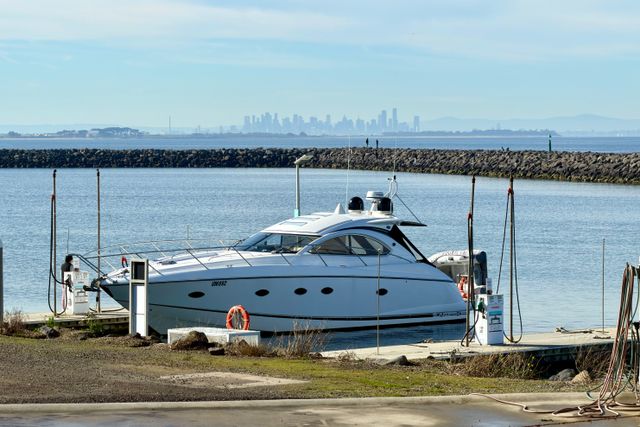

Every Melbourne boat owner’s got a variation on the same old story. The summers were good, the boat was running sweet as, and over winter you’d be sorting out the little niggles. Then before you know it, winter slips into spring and that first warm weekend hits, and suddenly the little things that you were going to get fixed are the reason your boat is stuck in a workshop, while everyone else is out having a go. The damage that’ll really cost you an arm and a leg in the marine sector usually doesn’t happen overnight. It’s just these little decisions you put off because nothing seems to have gone wrong yet.
The boat repair services available in Melbourne vary greatly from fibreglass chip repairs and gelcoat respray to the structural repair work on boats and the servicing of outboard motors in Port Phillip Bay and its environs. According to the Marine Incident Annual Report 2025 by the Australian Maritime Safety Authority, there was a 4% increase in the incidents involving domestic commercial vessels, and mechanical failure was always among the contributing factors.
The Defects That Start Small But Can End Up Costing You Plenty
Gelcoat damage that you leave unsealed without a doubt lets water get in and then that water causes all sorts of problems under the fibreglass laminate. It leads to this thing called osmotic blistering where the moisture just finds its way through the whole substrate and creates pressure that makes the laminate separate from the surface layer. You leave one small chip unfixed over the winter and before you know it next summer you’ll need to rebuild the laminate rather than just touch up the surface.
Marine antifouling systems that aren’t refreshed when they’re supposed to are a recipe for disaster; just leaves this biofouling building up on your hull, making it drag and your fuel consumption shoot up. Trailered boats are particularly prone to engine cooling systems developing corrosion in their flushing circuits because the salt water from Port Phillip Bay never gets fully cleared out. And upholstery stored in a damp space without getting some air or some proper covers is trashed by the end of a single Melbourne winter. None of these failure modes are massive, dramatic events; they’re all just things that only make sense to prevent rather than fix retrospectively.
Fibreglass and Gelcoat Repairs That Are Done Properly
If you get a chip repair done by a good technician using gelcoat that matches your boat’s colour, it’s as if the damage never happened. Do it the wrong way, without taking temperature and humidity into account, or with some dodgily mixed colour, and it’s going to stick out like a sore thumb.
If a hull’s got major oxidation, UV fade, or all sorts of damage all over the surface, then a full respray is the only sensible option. You can’t do spot repairs on a thing like that or they’ll be pretty obvious. You also need to know whether the hull’s got a gelcoat respray or a two-pack polyurethane topcoat; those take different preparation work and you can’t just wing it.
Outboard Servicing And Why Timing Really Matters
AMSA’s Marine Incident Report from 2025 said domestic commercial vessel incidents went up 4% from the year before, and half the time it was because of mechanical failure. For the recreational lot, propeller condition, the health of the gear oil, the impeller, and fuel system servicing are the things people most commonly put off till the symptoms start showing.
Do the servicing before you put the boat away for winter rather than right before the season starts. You get the motor protected through the times it’s sitting idle when it’s most vulnerable to all sorts of internal corrosion and moisture buildup. That’s when the boat is unstarted rather than chugging away.
Why Marine Specialists Cannot Be Replaced by Regular Mechanics?
Special skills are required to repair marine engine systems, fibreglass hull construction and electrical systems in constant exposure to water. Wiring problems are the leading causes of boat fires; the proper boat wiring involves tinned copper wire and special connectors designed for bilge usage as opposed to ordinary automotive wiring which will corrode quickly in the same surroundings.
The lift capacity of a workshop is an important parameter determining whether or not the vessel can be physically moved for submersion works. Verifying the lifting capability beforehand eliminates the possibility of accepting a project that cannot be completed in that particular workshop.
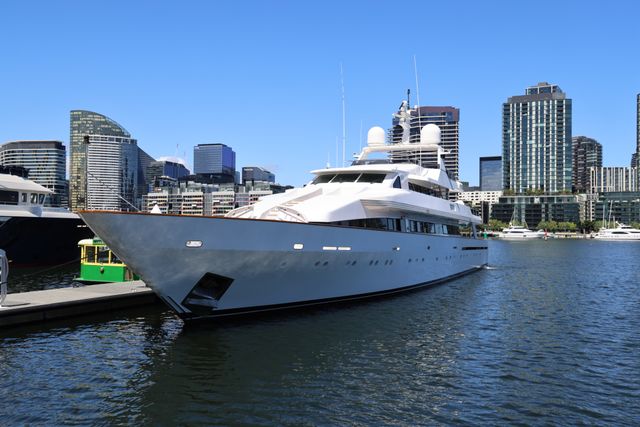
Repairing and Restoring: The Difference Between Them
Repairs restore a damaged item to working condition. Restoration, on the other hand, means bringing back the whole vessel to a specified condition. It takes months and a sequence of works in fibreglass, mechanics, electricity, upholstery and painting to complete full restoration. It is necessary to ensure the preservation of its worth on the second-hand market because well-kept boats usually have considerable price advantages over the boats with deferred maintenance.