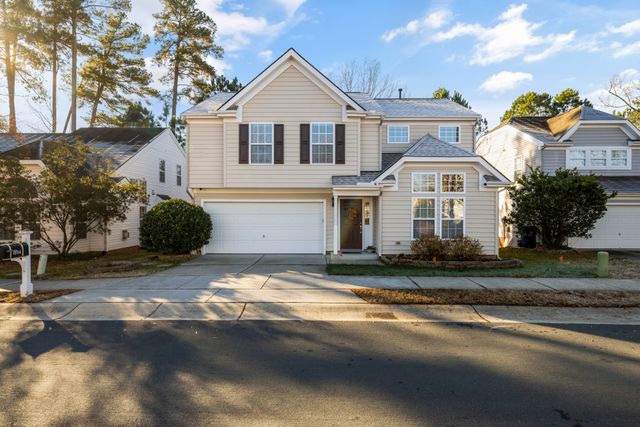

The old driveway used to be the last thing on a renovation to-do list. In Penrith and across western Sydney at the moment, it’s starting to move to the top of the pile though. House values have gone up, and people are spending money on external upgrades that reflect what their homes are actually worth. And that first impression of a guest arriving at your front door has got people paying attention to the surface of their driveway. The ABS building approvals data for 2024-25 is showing that there’s still loads of residential work going on in western Sydney, and that driveways are making up a decent chunk of that.
Why So Many Penrith Driveways Are Being Replaced Right Now?
There are a lot of old driveways Penrith, in streets that have been around for decades. Many of them have been done in old asphalt that’s starting to crack and look a bit worse for wear. Some are even just plain concrete that’s got so many cracks and stains you can barely see the original state any more. Then there are the ones just in basic gravel which at this point, after all the neighbours have upgraded theirs, just stick out like a sore thumb. It’s simply that gap between what your house is actually worth, and the original state it’s in, that’s grown so big that more people are choosing to sort it out.
But there’s another reason: new estates are springing up around Penrith. When these new places get built, driveways have to be installed from the get-go, so you end up with a real job done properly from the very start. And owners who’ve just moved into a new build are generally far more likely to just go and get a decent finish done now rather than live with whatever the builder left them. Then there’s the knockdown-rebuild projects; you get a clean slate, so you get to plan that driveway out from scratch, get the right size, the right drainage, it all gets done right from the beginning.
Material Comparison: What Actually Works for Western Sydney
All the different driveway materials going around have their own strengths and weaknesses in terms of price, how long they last, how they look and the long-term maintenance required. Making a choice that’s based on what’s best for your property, rather than just some quote you got from someone else, is what makes the difference between being happy with your driveway at year one, and being happy with it at year ten.
Now concrete is the most durable option for Penrith; its heat and the number of cars that drive on it mean it lasts 25 to 30 years if it’s done properly. Asphalt is cheaper upfront but loses its shape over Western Sydney’s hot summers, needs to get resurfaced from time to time and actually ends up costing way more in the long run than the initial quote suggests. Loose gravel is the cheapest option going, but it’s just a nightmare under some traffic; it moves and needs to be topped up all the time, so it stops being a nice finish and becomes just another maintenance job. Pavers give a top-notch look but are a bit of a problem on subgrades that are prone to shifting, like the clay subgrades you get in some bits of western Sydney.
The stencil and stamped concrete look like pavers or natural stone but for a fraction of the cost, which is why it’s become so popular in Penrith.
The Functional Decisions That Outlast the Aesthetic Ones
First impressions come from how a driveway looks. The practicality of the driveway determines if the homeowner has chosen wisely in five years from now. Proper gradient and drainage design prevent water from collecting near the entry to the garage or near the foundation of the house. This aspect is especially important for Penrith properties because they experience frequent short but heavy rainfall due to storms. When everything is done properly, a proper driveway drains rainwater away and eliminates any problems.
The correct width is also something one realises is important in the middle of the process. If a driveway was designed and built for a mid-sized sedan, but now the owner needs to park a big SUV and a work vehicle in there, then the owner will have daily issues. Having enough space to comfortably open the door of a car without touching the garden bed is an easy thing to do when designing the driveway, but it should be discussed before the concreting process starts.
What the Installation Process Actually Involves?
Homeowners, who have never had a driveway done are usually shocked by the amount of work done during the process. The previous surface is cut, broken up, and taken out before the excavation process begins. The excavation is done at the correct depth based on the thickness of the concrete and base materials used. Base material is compacted and levelled. The formwork is put in, reinforcement is installed, and concrete is poured as one continuous process with the immediate surface finish after it.
Concrete must not be driven on until it gets its structural strength after the pouring process. Otherwise, concrete will have surface imperfections that can’t be fixed. A good concreter will mention that time frame before starting the process, control access on the site, and apply sealing at the proper time after the curing process is completed.
Choosing the Right Concreter in Penrith
Penrith has professional specialists who work in concreting, as well as general tradesmen who do some driveway jobs in addition to their usual work. A good indicator of a contractor who understands the whole scope of work is having an itemised written quote of excavation, base preparation, reinforcement, concrete pour, finish type, and sealing processes. Otherwise, a lump-sum price with few details means something else.