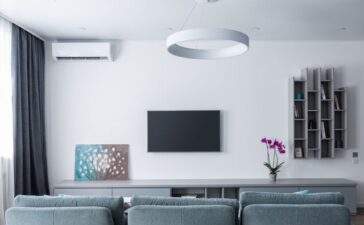

The obvious problem is one layer: lots of people put off appointments because the whole experience feels uncomfortable before treatment even starts. For Northcote adults and children who are anxious, time-poor or returning after a long gap, noise, lighting and plain-language consent bridge everyday convenience with designing the patient journey around dignity, clarity and practical access. Avoidance can be reinforced by confusing bookings, rushed conversations and sensory discomfort, so promises about more approachable and therefore easier to continue care should be preceded by a clear check on appointment pacing.
Confusing bookings, hurried conversations and sensory overload can reinforce avoidance. It can help to see the task as a purchase, rather than a chore. Online booking and the arrival process need to be designed around dignity, clarity and practical access. Privacy is taken as useful evidence, not as a minor detail to be postponed until the end of the discussion. Northcote adults and children can look at cost, timing and likely performance on the same practical basis as noise and lighting, if they are nervous, time-poor or returning after a long gap.
The first real signal: online booking
For people in this situation, dental clinic Northcote becomes relevant, when confusing bookings, rushed conversations and sensory discomfort can reinforce avoidance. For nervous, time-poor or returning Northcote adults and children, plain-language consent turns the phrase into a decision to design the patient journey around dignity, clarity and practical access, rather than a generic purchase. A sound recommendation should link appointment pacing, online booking and arrival process before anyone commits to a scope, schedule or level of investment.
The practical picture is online booking, arrival process and privacy. Here, online booking influences the arrival process treatment, while privacy affects the final sequence. It highlights those links to Northcote adults and children who are nervous, time-poor or coming back after a long break where work is essential to care which feels more approachable and therefore easier to keep doing from refinements that can wait for a later stage.
Arrival process and privacy relationship
In practice progress usually involves 4 linked actions: Provide a clear next-step plan Make contact easy Ask about concerns early Finally adapt communication Make contact easy Protects the treatment of noise and lighting from an untested assumption. Finish Provide a clear next-step plan The later steps, specifically ask early about concerns and adapt communication, then serve as privacy checkpoints rather than improvised reactions.
Things usually go wrong when someone assumes that a quiet patient is comfortable just because they’re compliant. This shortcut can avoid appointment pacing, forcing adapt communication to reveal a problem at a point where correction is more disruptive. “A clear beginning provides a stronger pathway to care for Northcote adults and children who are nervous, time-poor or coming back after a long gap, that feels more approachable and therefore easier to follow through without paying twice for the same uncertainty.

Making contact easier for more approachable-feeling care
People judge the outcome in ordinary moments, the final solution still has to answer plain language consent, appointment pacing, online booking. For Northcote adults and children nervous, time-poor or returning after a long gap, care that feels more approachable and therefore easier to continue only matters when it survives ordinary use alongside arrival process. A clinic is truly friendly when people leave knowing what happened and feeling good about coming back without shame.
The good service explains how noise and lighting was assessed, how privacy was addressed and what adapt communication demonstrated. Designing the patient journey around dignity, clarity and practical access means future maintenance can start with evidence about online booking, not memory. They also show another professional why provide a clear next-step plan, make contact easy, ask about concerns early and adapt communication were set in that order.
The decision still has to make sense if the original pressure decreases or privacy adjustments suggest care is more available and thus easier to maintain. A subsequent review may review noise and lighting against privacy and check if adapt communication still supports the intended result. That review provides a clear adjustment path for nervous, time-poor Northcote adults and children coming back after a long gap, without discarding work that still performs. When the patient journey is designed around dignity, clarity and practical access remains understandable through normal use, the response is a lasting improvement, not a temporary reaction.