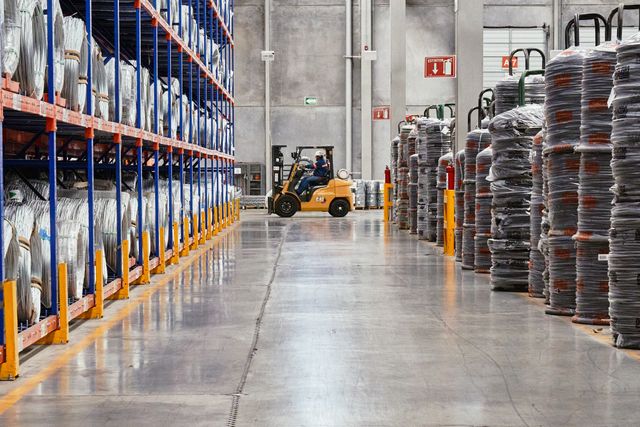

Australian online retail is really taking off. Most of the businesses driving that growth are storing their stock in makeshift arrangements garages, spare rooms, self-storage units and wherever else they can scrounge up space. When order volumes were small, these setups were fine, but as things have taken off, well, they’re just not cutting it anymore. The symptoms are pretty obvious: delayed deliveries, mistakes when picking orders, and stock discrepancies all end up as customer complaints, and it’s usually only after the operator has a chance to connect the dots to a warehousing problem.
Professional warehouse services for ecommerce like Atlas Transport aren’t about just renting more storage space. The space itself is hardly the biggest piece of the puzzle, even though it’s what most people focus on. What really makes the difference is the operational infrastructure that surrounds that space, think inventory systems, pick and pack processes, dispatch coordination and how well you’re able to keep tabs on what you’ve got in stock to make smart purchasing and shipping decisions.
The Garage to Growth Ceiling, Where Most Ecommerce Operators Trip Up
Most Australian ecommerce businesses start storing stuff wherever they can find space. It works for a while but eventually you hit your limit. When order volumes get too big, you just can’t keep up with fulfilling orders accurately out of some disorganised space, let alone deal with stock disappearing into some kind of informal overflow arrangement. The real problem is, the time you have to spend manually sorting out your inventory is time that’s taken away from running your business.
The cost of not stepping up to a professional warehouse solution when you outgrow your little home-based operation is pretty clear in the returns data. When customers get the wrong stuff, or not all of their order because the storage and pick-and-pack environment just isn’t set up right for accuracy, you get to see those returns coming straight back out again, eating into your margins and chewing away at your customer trust all at the same time. And let’s not forget, that return rate is the thing most ecommerce operators are watching like hawks, even though not a lot of them really track it back to the quality of their warehousing.
Getting Your Inventory Accurate, the Metric That Shows Up When You Get Your Warehousing Right
Overselling stock is probably the worst thing an Australian online retailer can do to its customers. It happens all the time when inventory counts are wrong, which in turn happens all the time when stock is still being manually managed across all these different storage arrangements that aren’t even integrated. A proper warehouse with a decent inventory management system lets you keep stock levels connected up to your online storefront in real time, so what the customer sees is what you actually have in stock.
And it’s amazing how far accurate inventory impacts reach. You can make more precise purchasing decisions because you know exactly what you’ve got, where it is and how fast it’s moving. You can buy less, waste less and hold less cash tied up in stock. And all that adds up to a real margin improvement that compounds over time, all because you got your warehousing sorted out.
Flexible Storage and the Problem of Seasonality
Seasonal demand is an issue for almost every category of e-commerce sales in Australia. The combination of holidays, seasonal sales, and category-specific events generates volume spikes that fixed storage arrangements cope poorly with. An e-commerce company bound by a contract for a warehouse sized to accommodate average demand either rejects volume in the case of spikes or wastes space in the case of troughs.
Flexible storage which implies variable allocation of storage depending on the demand level but not on fixed terms of leasing eliminates this problem. In cases when demand falls, the costs of storage fall proportionately while in cases of spikes the extra storage space becomes available without forcing the company to make it through emergency leasing and higher costs.
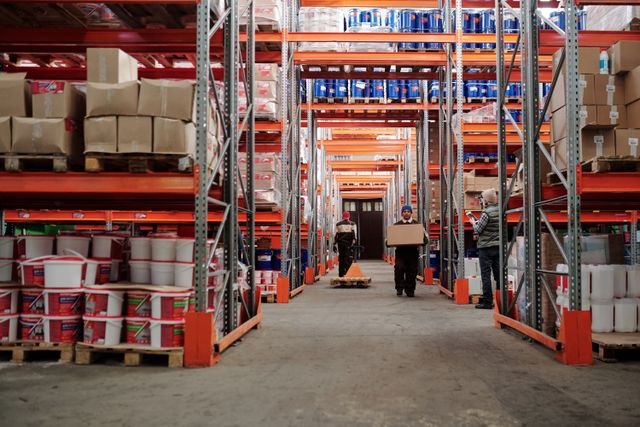
Location, Dispatching and the Factor of Speed
For the e-commerce operators delivering their products all around the country the factor of location determines the speed of delivery of goods. Products stored near big freight hubs are moved faster and less expensively than those which have to be transported in order to be introduced into the country-wide carrier network.
Warehousing services incorporating storage directly with interstate delivery and distribution become an integrated process. For an e-commerce company delivering nationally such integration means that the continuity of custody is guaranteed and the difference between mere storage and true fulfilment becomes obvious.